


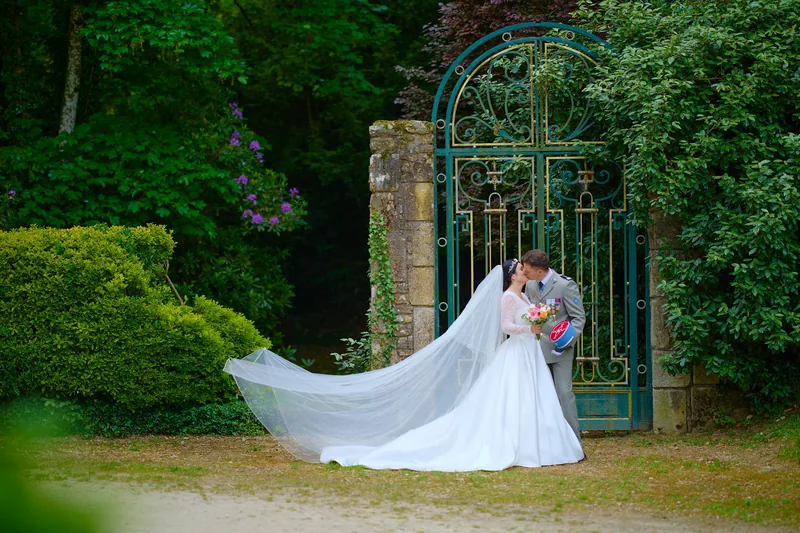
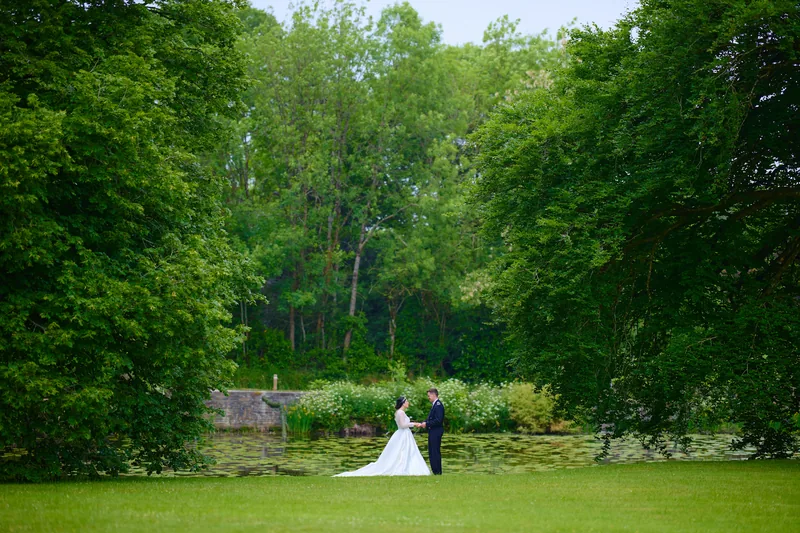
The Dordogne offers château and countryside venues for a destination wedding. When comparing properties, check accommodation and transport carefully: the distance between the ceremony, reception and guest lodging can matter as much as the setting.
What makes the Dordogne different
Compare the actual property, the ceremony and reception spaces, and the journeys guests need to make. In a countryside setting, on-site accommodation and organised transfers may be worth discussing alongside the grounds.
Real venues to consider
Venue research can include Château du Doux, Domaine de la Fauconnie, Château Monrecour. Château du Doux is in Altillac, Corrèze, in the Dordogne valley; it is not in the Dordogne department. Check the exact location, accommodation and event capacity directly with each venue before arranging guest travel.
Getting there, and what to add to the trip
Bergerac Airport, roughly in the heart of the Dordogne, has direct seasonal connections to the UK and can be a genuinely convenient alternative to Bordeaux–Mérignac for guests travelling from Britain. For guests flying into Bordeaux instead, the drive out to the Dordogne is a little under two hours, easily done as a scenic transfer rather than a chore. Couples who choose this region often build in a day either side of the wedding for guests to visit Sarlat's market town centre, the cliffside village of La Roque-Gageac, or the prehistoric cave paintings the area is famous for.
Season and light
The Dordogne follows a broadly similar seasonal rhythm to Bordeaux, warm dry summers, golden autumns, and quieter, moodier winters, but without a wine harvest shaping the calendar the way it does further west. That makes early autumn a particularly good compromise here: the region's famous walnut and chestnut trees turn colour, days stay mild, and venues are noticeably easier to book than in peak summer.
Wherever in the wider region you choose to marry, the legal steps and guest logistics stay largely the same. Our full guide to getting married in the Bordeaux region ties it all together.